Why You Shouldn’t Wait to Remove a Dead Tree in Florida
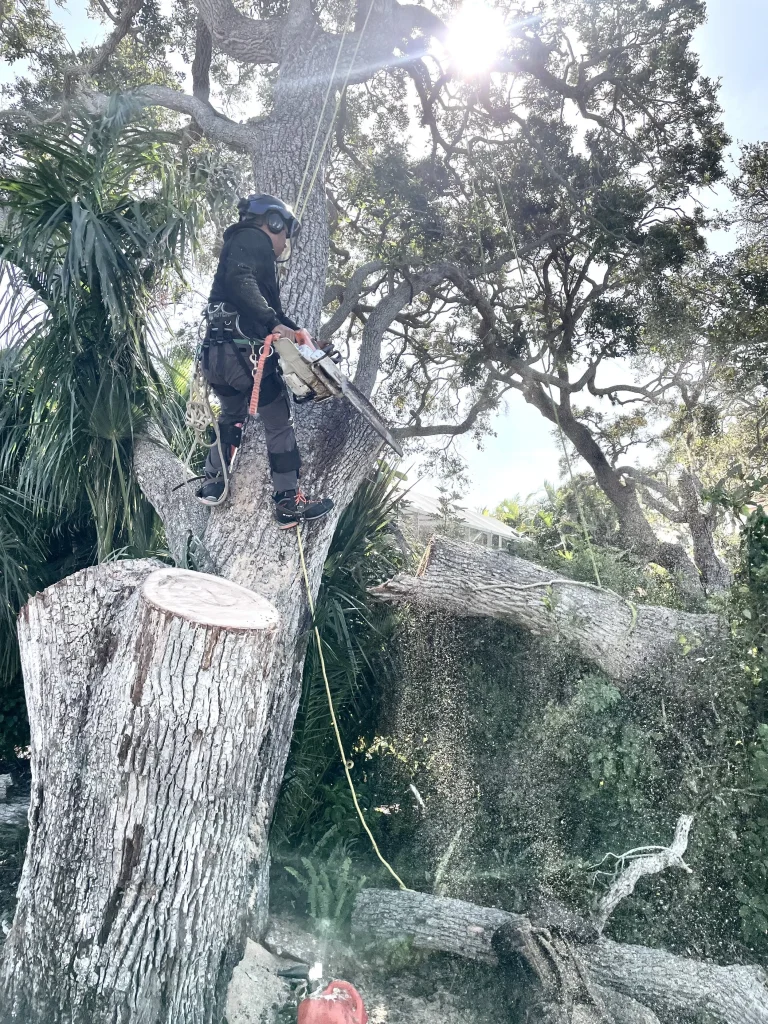
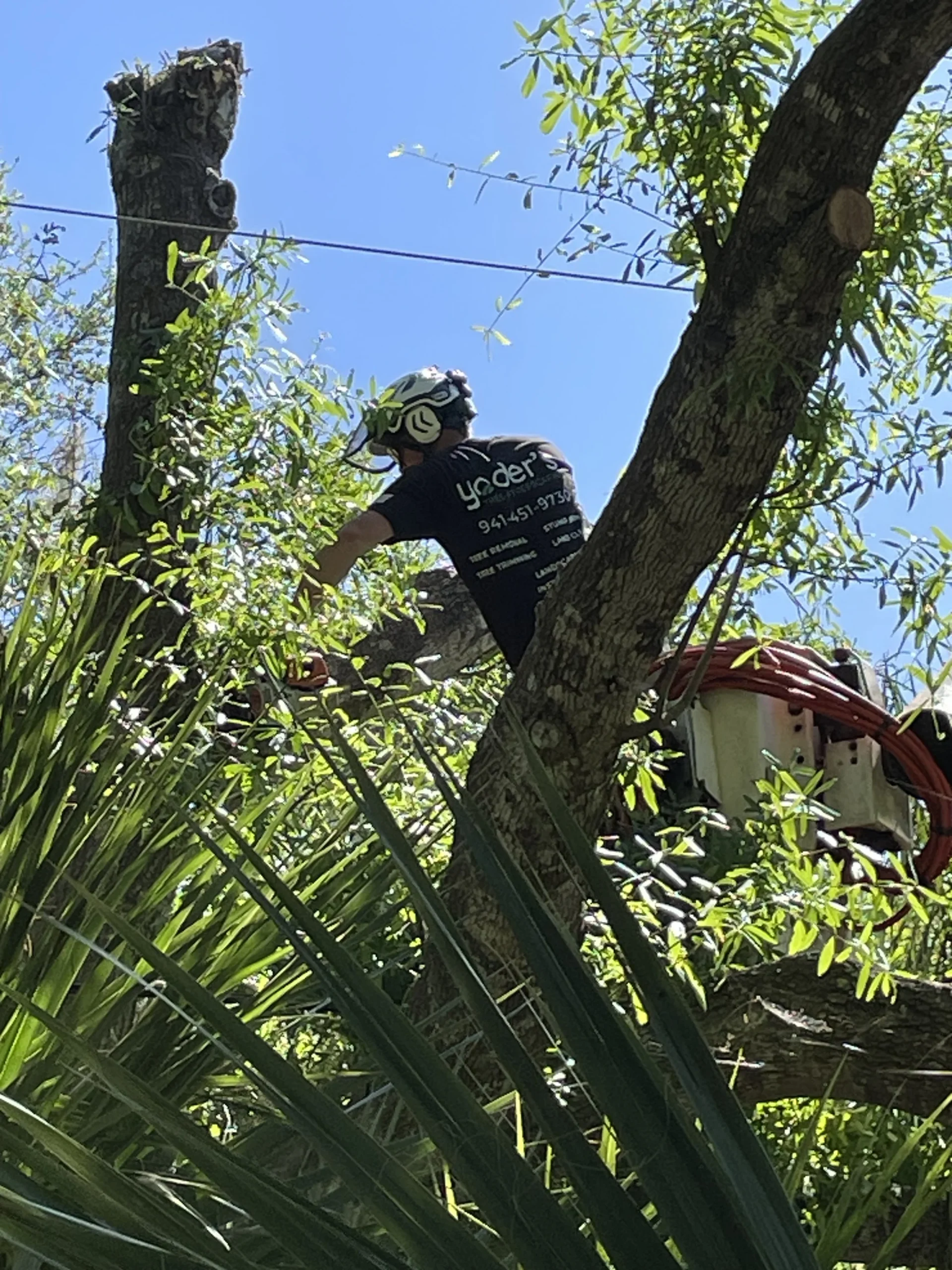
It’s tempting to leave a dead tree standing. It’s not bothering anyone right now, removal costs money, and dealing with it feels like something you can handle later. But in Florida — especially in Sarasota’s storm-prone coastal environment — a dead tree is a ticking clock. Here’s why waiting is almost always the more expensive decision, and what to do about it. Our tree removal team sees the consequences of delayed action every storm season.
Why Dead Trees Fail Faster in Florida Than in Other States
Florida’s subtropical climate accelerates wood decay dramatically. The combination of heat, humidity, and frequent rainfall creates ideal conditions for the fungal and bacterial organisms that break down dead wood. A tree that might stand for 10 years after death in a northern climate can deteriorate to structural failure within 2–5 years in Sarasota — and the timeline compresses even faster after a storm.
The Real Risks of a Dead Tree on Your Sarasota Property
- Storm failure — Dead trees lose the flexible wood structure that allows living trees to survive hurricane winds. Brittle dead wood snaps rather than bends. In a storm, a dead tree is one of the most predictable casualties.
- Unpredictable fall direction — As a dead tree decays unevenly, internal structure deteriorates in ways that aren’t visible from the outside. Even a “standing” dead tree can fall suddenly in a mild windstorm, and where it falls is unpredictable.
- Pest attraction — Dead wood is prime habitat for carpenter ants, wood-boring beetles, and in Florida — termites. A dead tree adjacent to your home is essentially a termite nursery.
- Liability — If your dead tree falls on a neighbor’s property or vehicle, and you were aware the tree was dead and did nothing, you may be held liable. Florida homeowners have been successfully sued for negligence in dead tree cases.
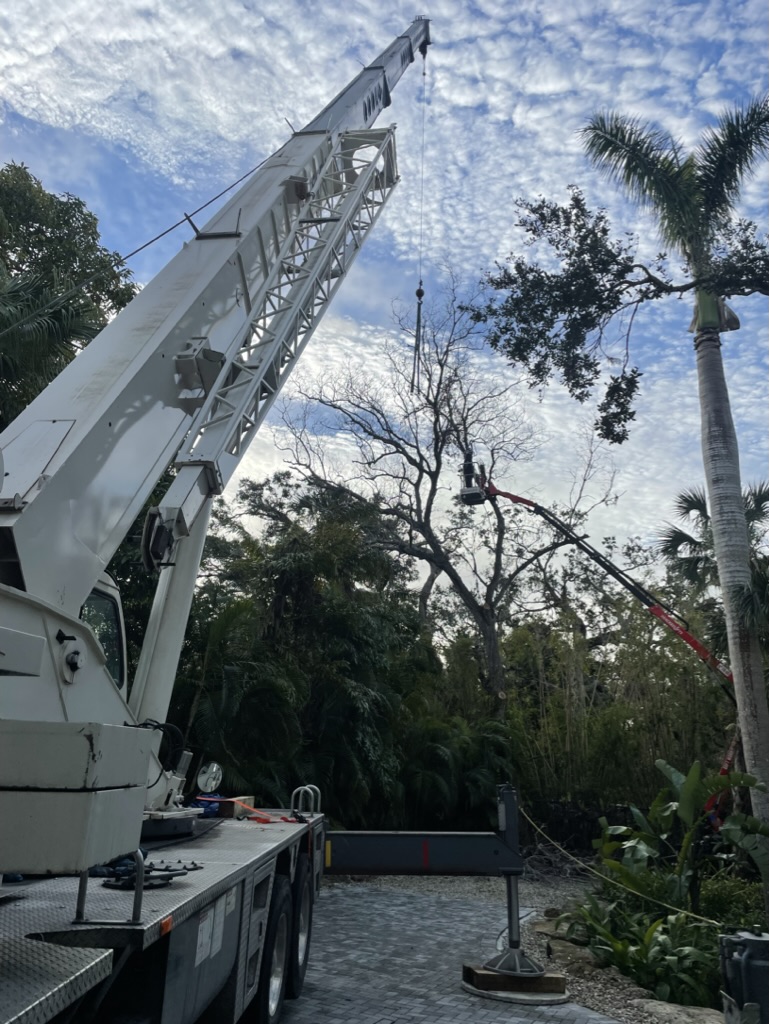
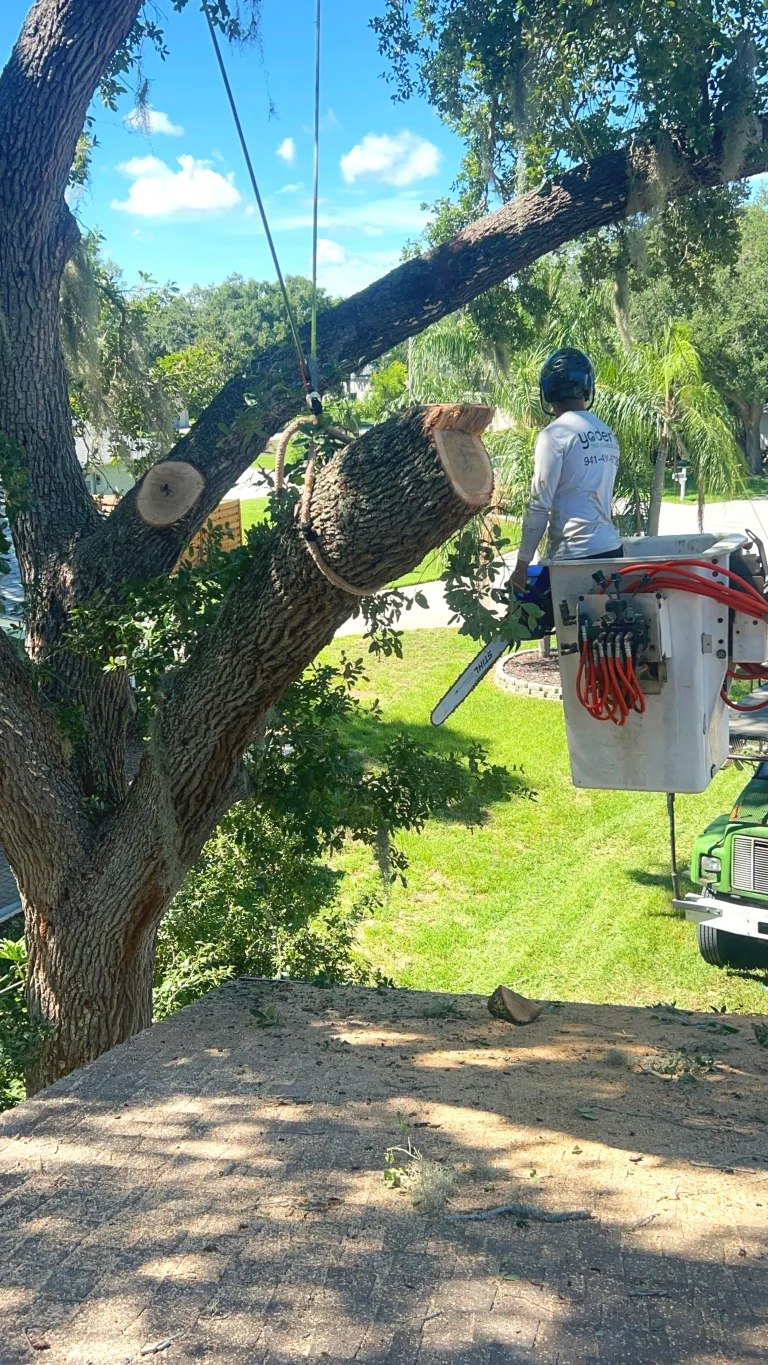
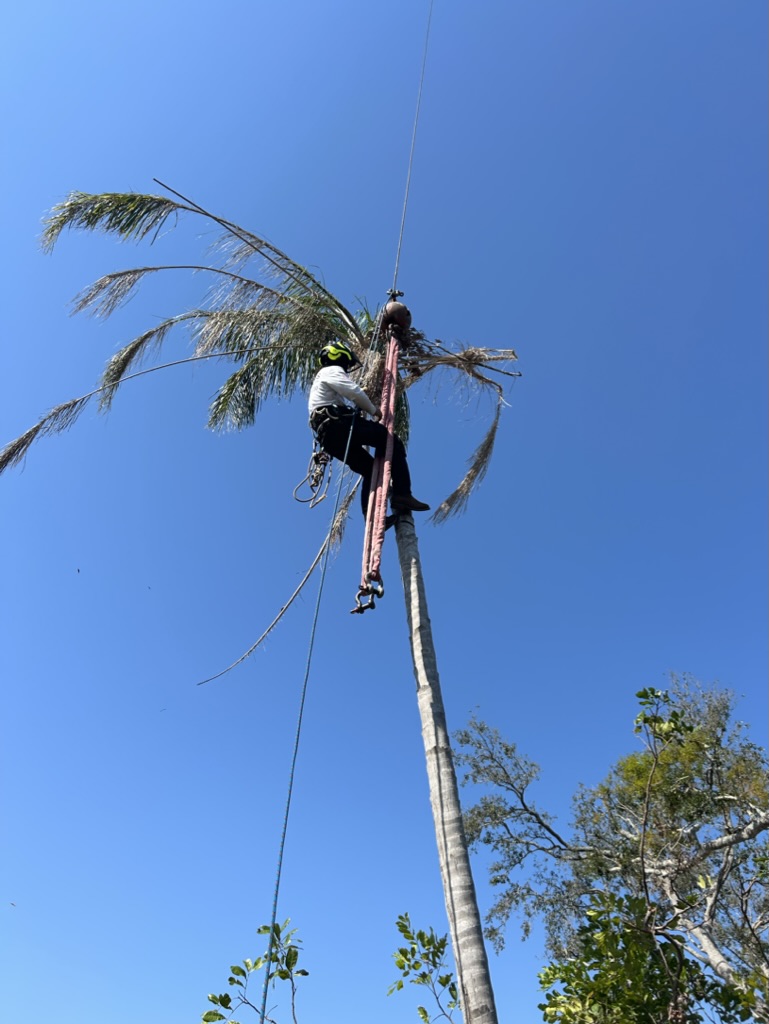
- Increasing removal cost — Decayed wood is structurally unpredictable, requiring more careful sectional removal and sometimes crane assistance. A dead tree gets more expensive to remove the longer it stands.
What a Dead Tree Costs: Removal Now vs. Damage Later
Dead tree removal in Sarasota typically costs $400–$2,500 depending on size and access. A storm-damaged dead tree that falls on a roof can cause $10,000–$40,000 in structural damage. Vehicle damage from a fallen tree averages $5,000–$15,000. Insurance may cover the damage but typically not the tree removal, and a claim can raise your premium for years. The math always favors proactive removal. Our Sarasota service area page has more details about the services we offer in your neighborhood.
How to Confirm a Tree Is Dead (Not Just Dormant)
- Scratch test: scratch bark on a young branch — living trees show green beneath the bark; dead trees show brown or gray.
- No new growth despite regular rain and warm temperatures.
- Peeling or missing bark exposing bare wood underneath.
- Fungal growth (mushrooms, bracket fungi) at the trunk base or on major branches.
- Woodpecker activity — birds pecking for insects living in decaying wood.
- The scratch test reveals no green anywhere in the canopy after the full growing season.
If you’re uncertain, call us for a professional assessment before investing in removal. Call (941) 451-9730 to schedule. We also offer stump grinding to complete the job after removal.
Frequently Asked Questions
Is it an emergency if I have a dead tree in my Sarasota yard?
Not always, but it should be treated urgently. Get it assessed and scheduled for removal before hurricane season (June–November) if at all possible. If it’s leaning toward a structure, call immediately.
Can I get a discount for removing multiple dead trees at once?
Yes — bundling multiple removals in one visit saves on equipment mobilization and crew time. If you have several dead or hazardous trees, a combined estimate will usually come in lower per tree than individual jobs.
Will the city of Sarasota remove a dead tree on my property for free?
No — dead trees on private property are the homeowner’s responsibility. The city may remove dead trees in the public right-of-way (between your property and the road). Contact Sarasota County Public Works for right-of-way questions.