How to Storm-Proof Your Sarasota Landscape Before Hurricane Season
Hurricane season runs June through November in Florida, and Sarasota’s coastal location puts it squarely in the path of Gulf storms that can arrive with very little warning. The good news: the steps you take now — before the first tropical storm of the season — can dramatically reduce damage to your home, your trees, and your landscape. At Yoder’s Tree and Land Services, we help Sarasota homeowners get their landscapes storm-ready every spring. Here’s what to do and when to do it.
Step 1: Assess Every Tree on Your Property
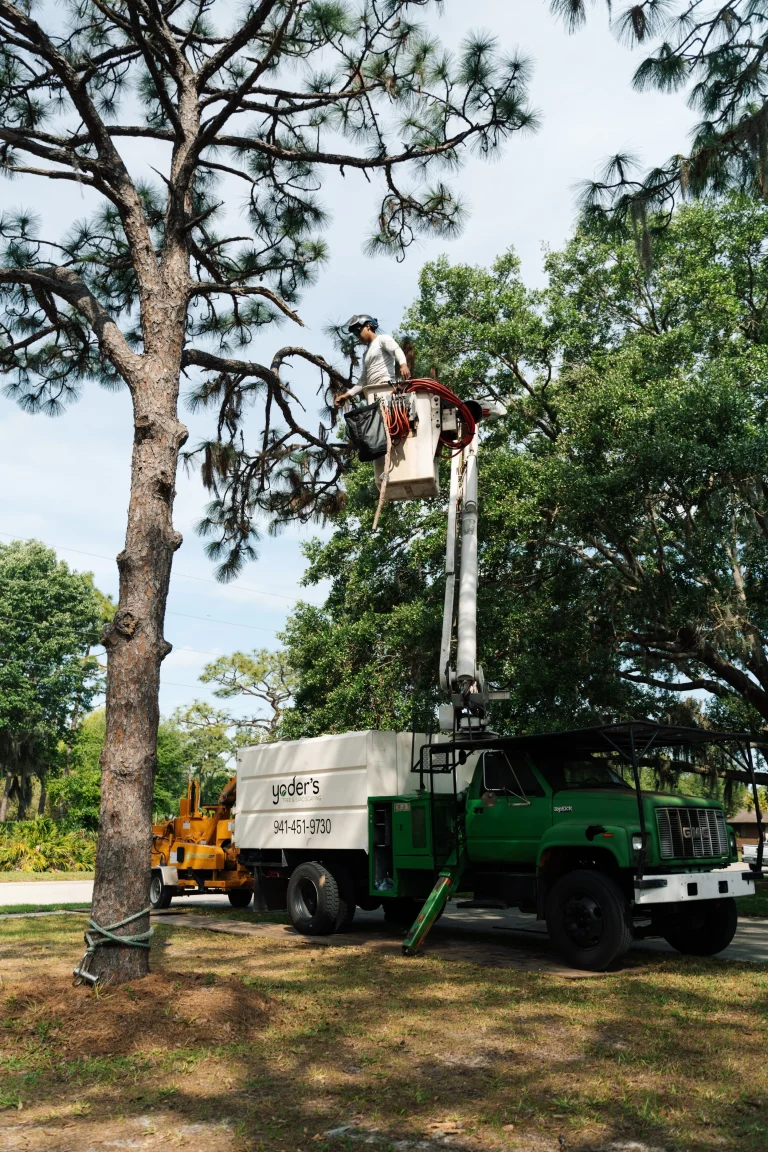
Walk your yard and look at each tree critically. Signs that a tree is a storm risk include: visible lean toward a structure; dead branches in the canopy; fungal growth at the trunk base (sign of internal decay); cracks in the trunk; branches extending over your roof, driveway, or neighboring property; and trees that have already dropped large branches in past storms. Any tree with three or more of these signs should be assessed by a professional before June. Schedule your assessment now — demand spikes dramatically after the first storm warning.
Step 2: Remove Hazard Trees and Weak Branches
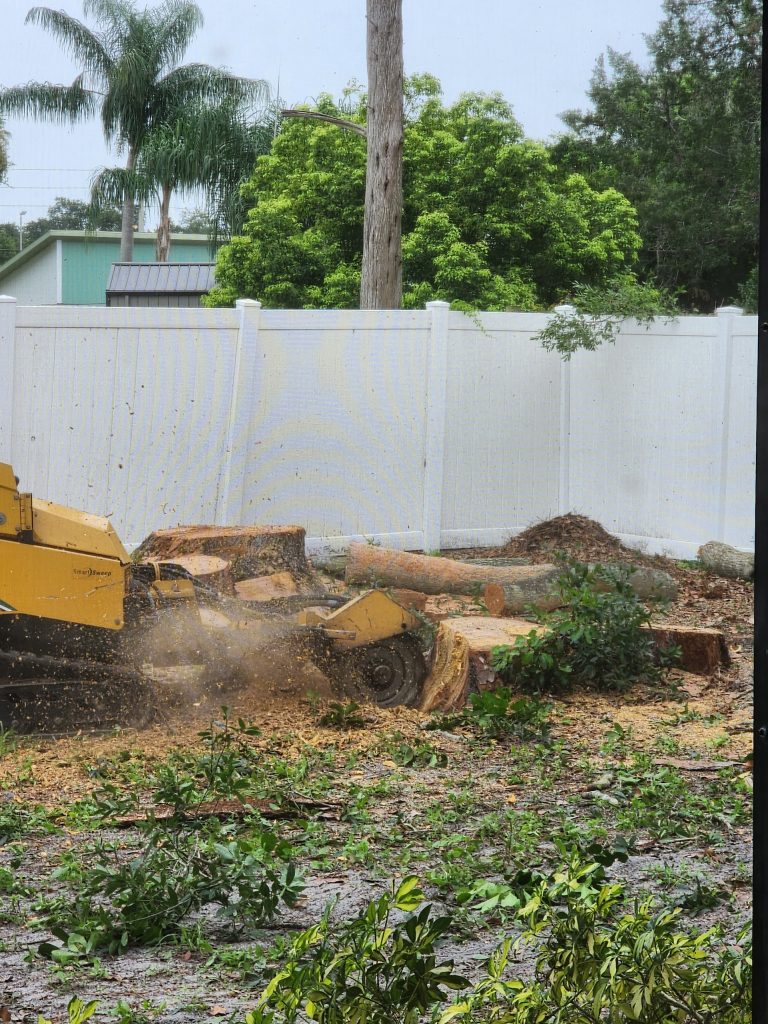
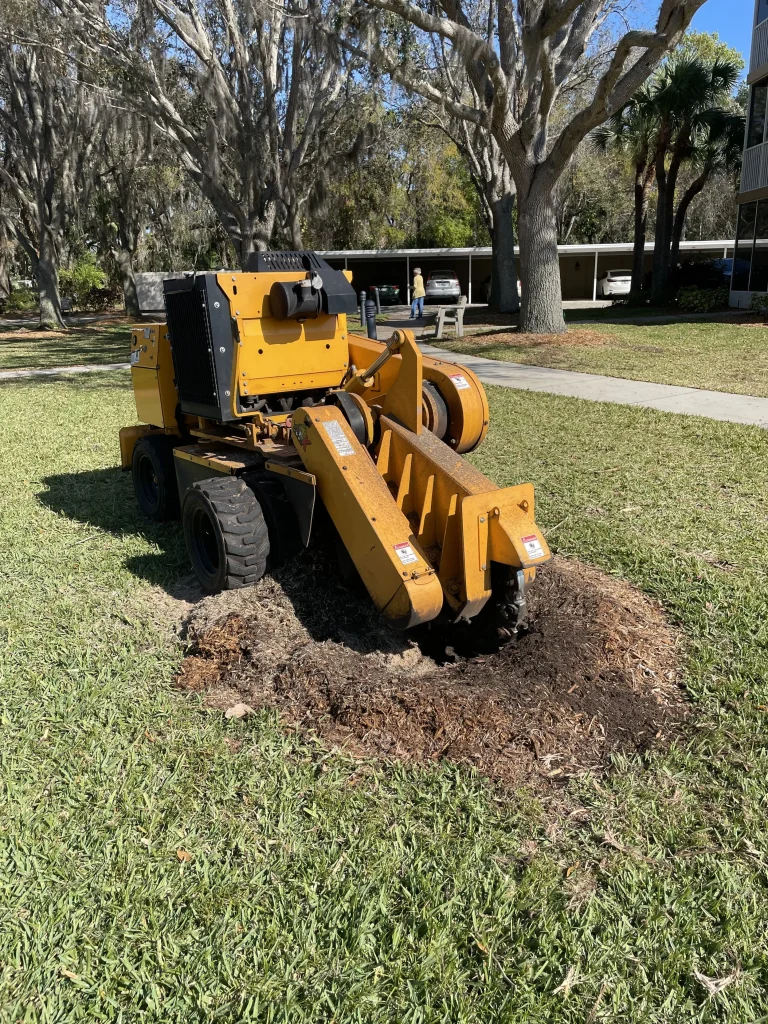
The single most effective storm preparedness measure is removing hazardous trees before the storm, not after. A dead or structurally compromised tree costs $500–$2,000 to remove proactively. The same tree, after it falls on your roof, costs $5,000–$25,000+ in damage plus the removal fee. Dead trees, split trunks, and trees with severe root damage should be removed before hurricane season. Large dead branches (called “widow makers”) hanging over living space should be pruned immediately — they don’t need a storm to fall. See our Sarasota tree removal service for details.
Step 3: Trim Trees and Palms Properly
Proper trimming before storm season reduces wind resistance without weakening the tree. Key trimming tasks:
- Remove dead fronds from all palm trees — dead fronds become airborne projectiles in high wind.
- Remove large seed clusters from coconut palms — falling coconuts are a serious hazard during storms.
- Thin the crown of large deciduous trees by 15–20% to reduce wind load without harming the tree’s structure.
- Never “top” trees (cutting the main leader) — this creates a weaker, more storm-vulnerable structure.
- Remove any branches touching or within 10 feet of your roofline.
Step 4: Inspect and Mulch Your Landscape Beds
Storm surge and heavy rainfall can cause serious erosion in Sarasota’s sandy soil. A 3–4 inch layer of mulch around trees and in landscape beds significantly reduces erosion and helps retain soil moisture during dry spells before or after storms. Use shredded mulch rather than chips — it knits together better and resists wind displacement. Our landscaping team handles pre-season mulching as part of landscape refresh packages.
Step 5: Secure Loose Items and Review Your Insurance
Before the season, bring in or secure all outdoor furniture, pots, garden sculptures, and tools — these become dangerous projectiles in wind. Review your homeowners policy to understand what tree and landscape damage is covered. In Florida, standard policies typically cover damage to structures caused by fallen trees (with certain exclusions) but not the tree removal itself unless it damaged a covered structure. The Florida Office of Insurance Regulation has a consumer guide to hurricane coverage. Call (941) 451-9730 to schedule pre-season services.
Frequently Asked Questions
When should I schedule pre-hurricane storm prep in Sarasota?
May is ideal — before June 1 (official start of hurricane season) and before tree service companies are fully booked. Waiting until a storm is forecast means you’ll have trouble getting on any company’s schedule.
Does storm tree trimming hurt my trees?
Proper storm-prep pruning, done correctly, does not harm healthy trees. In fact, removing dead wood and excess weight improves tree health. What harms trees is improper topping or over-thinning — techniques we never use.
Are there trees that are naturally more storm-resistant in Sarasota?
Yes. Sabal palm, live oak, bald cypress, and sea grape are among Florida’s most storm-resistant trees. Species like laurel oak, Norfolk Island pine, and royal poinciana are more brittle and prone to storm failure.