Hurricane Season Tree Preparation Guide for Sarasota Homeowners (2026)
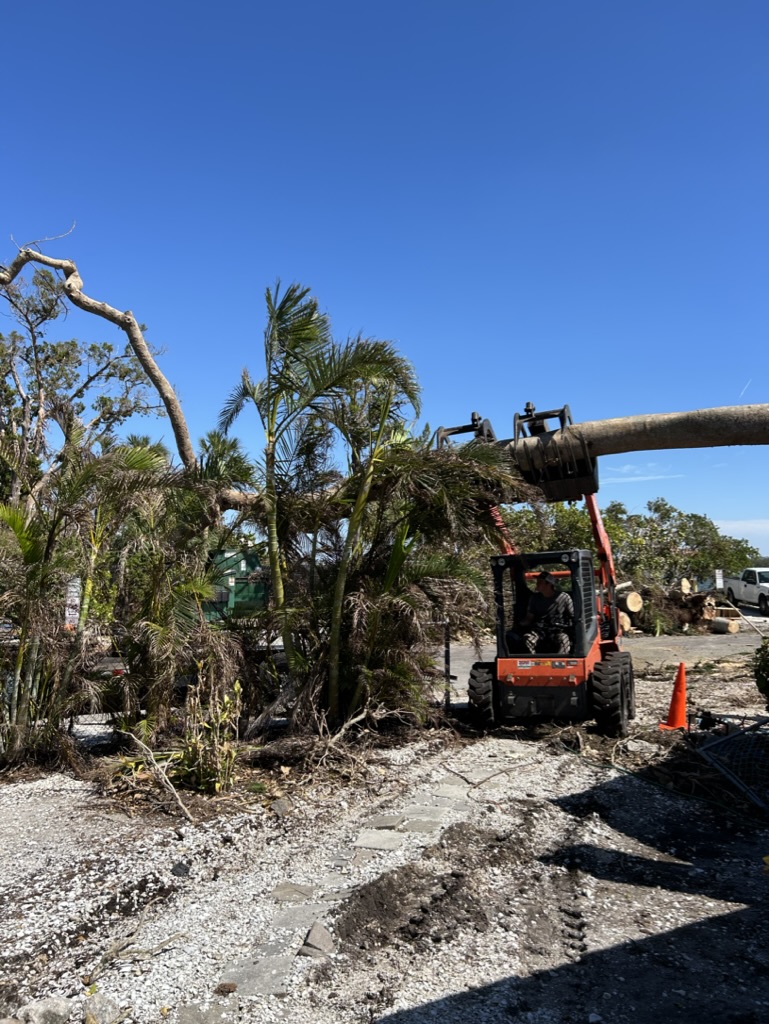
Hurricane season in Florida runs June 1 through November 30 — and in Sarasota, that’s not just a calendar event. It’s a real annual threat that can turn an unhealthy tree into a multi-ton projectile. The single most effective thing you can do before June 1 is have your trees assessed and remove any that are dead, dying, or structurally compromised.
Why Trees Fail in Hurricanes
A tree doesn’t have to be dead to be dangerous in a storm. Internal decay, root damage from nearby construction, and over-extended limbs all create failure points that only show up when the wind hits 80–90 mph. In Sarasota County, the most common storm-related tree failures involve laurel oaks (shallow root system), sand pines (brittle wood), and Australian pines — an invasive species that uproots almost entirely in saturated soil.
Live oaks, by contrast, are among the most wind-resistant trees in Florida. Their low, spreading canopy deflects wind rather than catching it. Palms are generally hurricane-resistant because they flex rather than snap — but a diseased or root-bound palm can still uproot in storm-softened ground.
7 Warning Signs to Check Before June 1
- Dead or hanging limbs (“widow-makers”) — first to break in a storm, even in moderate wind
- Leaning toward your home, fence, or power lines — especially if the lean is new
- Cracks or splits in the trunk — vertical cracks from lightning, horizontal from structural overload
- Fungal growth at the base — mushrooms or shelf fungi mean internal root rot
- Peeling or missing bark in large sections — signs of disease or beetle damage
- Excessive deadwood in the canopy — branches that didn’t leaf out this spring
- Previously topped trees — topping creates weak, fast-growing regrowth that fails easily
Should You Trim Trees Before Hurricane Season?
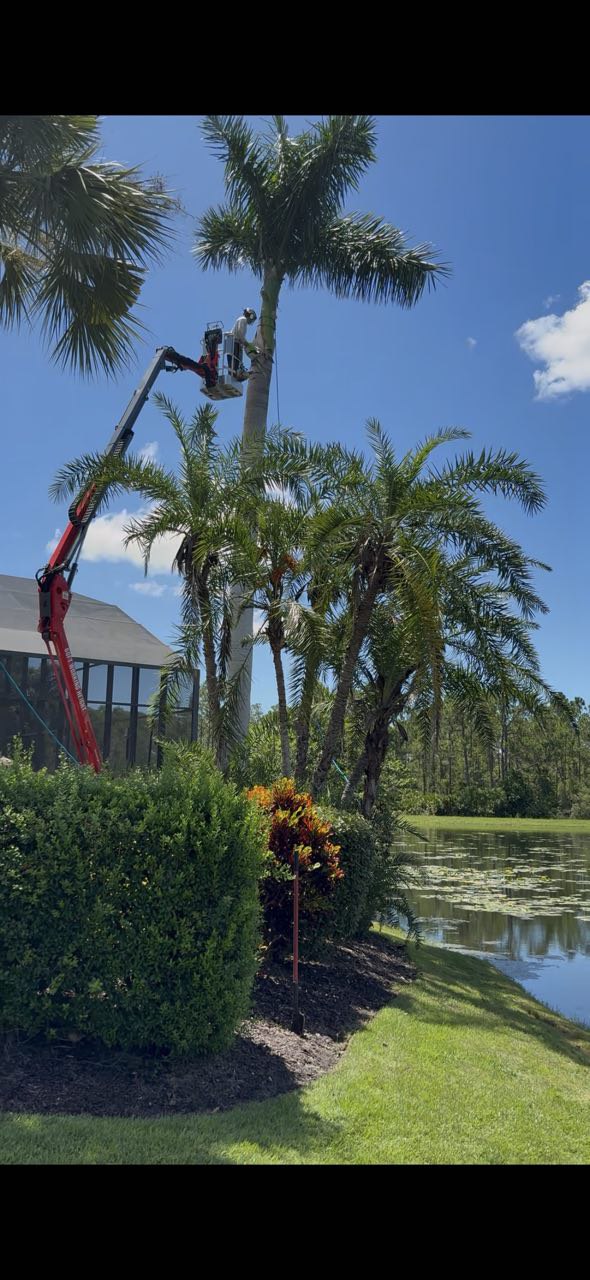
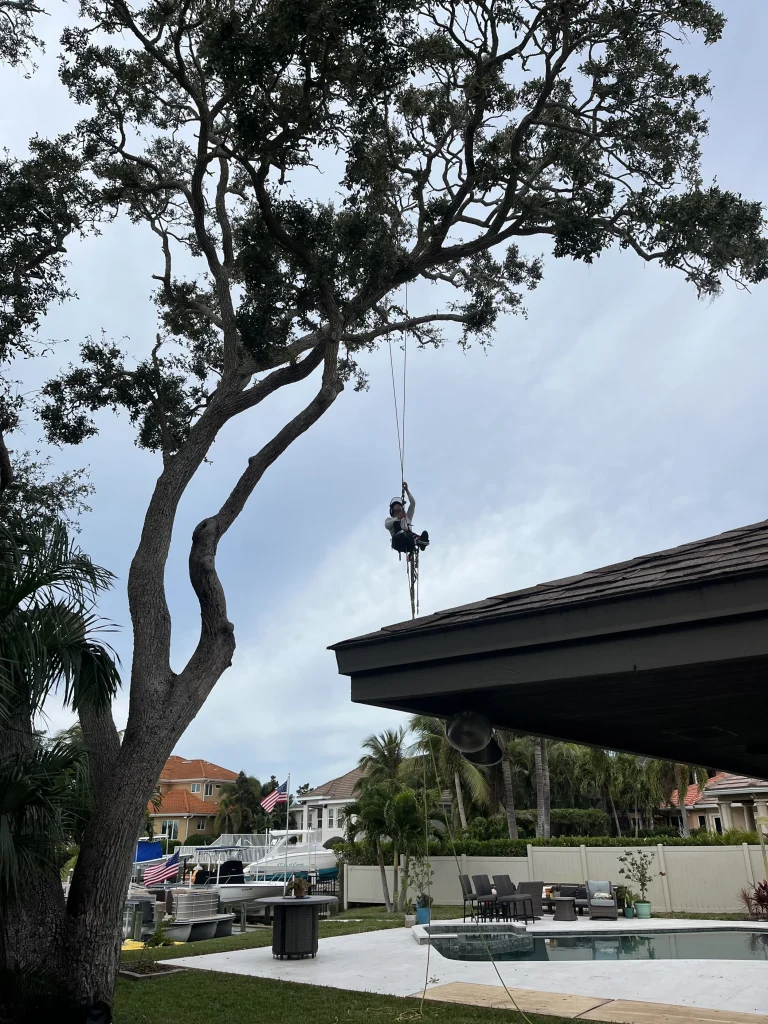
Yes — but timing matters. Trimming removes sail area and reduces wind load on the tree. Ideally, trimming should be completed before the end of May, giving the tree time to callus over any cuts before peak storm season begins.
One important caution: never top a tree as a hurricane preparation measure. Topping removes the strong, tapered branches and replaces them with vigorous but weakly attached vertical growth. Topped trees fail more frequently in storms than trees that have never been topped.
DIY vs. Professional Assessment
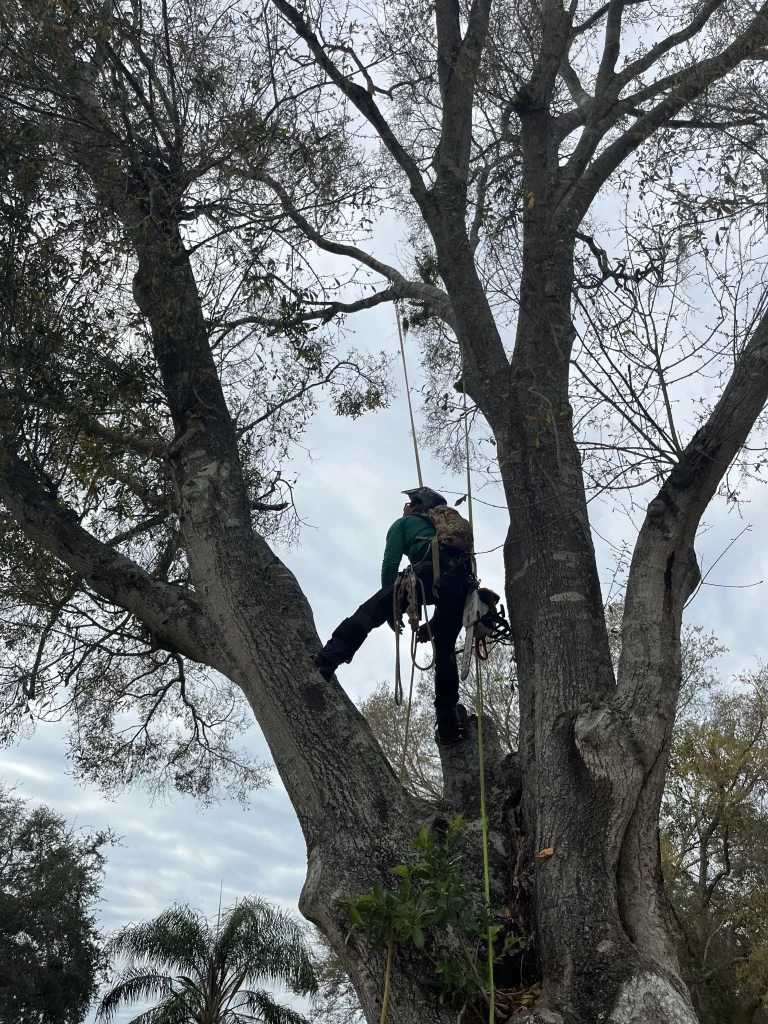
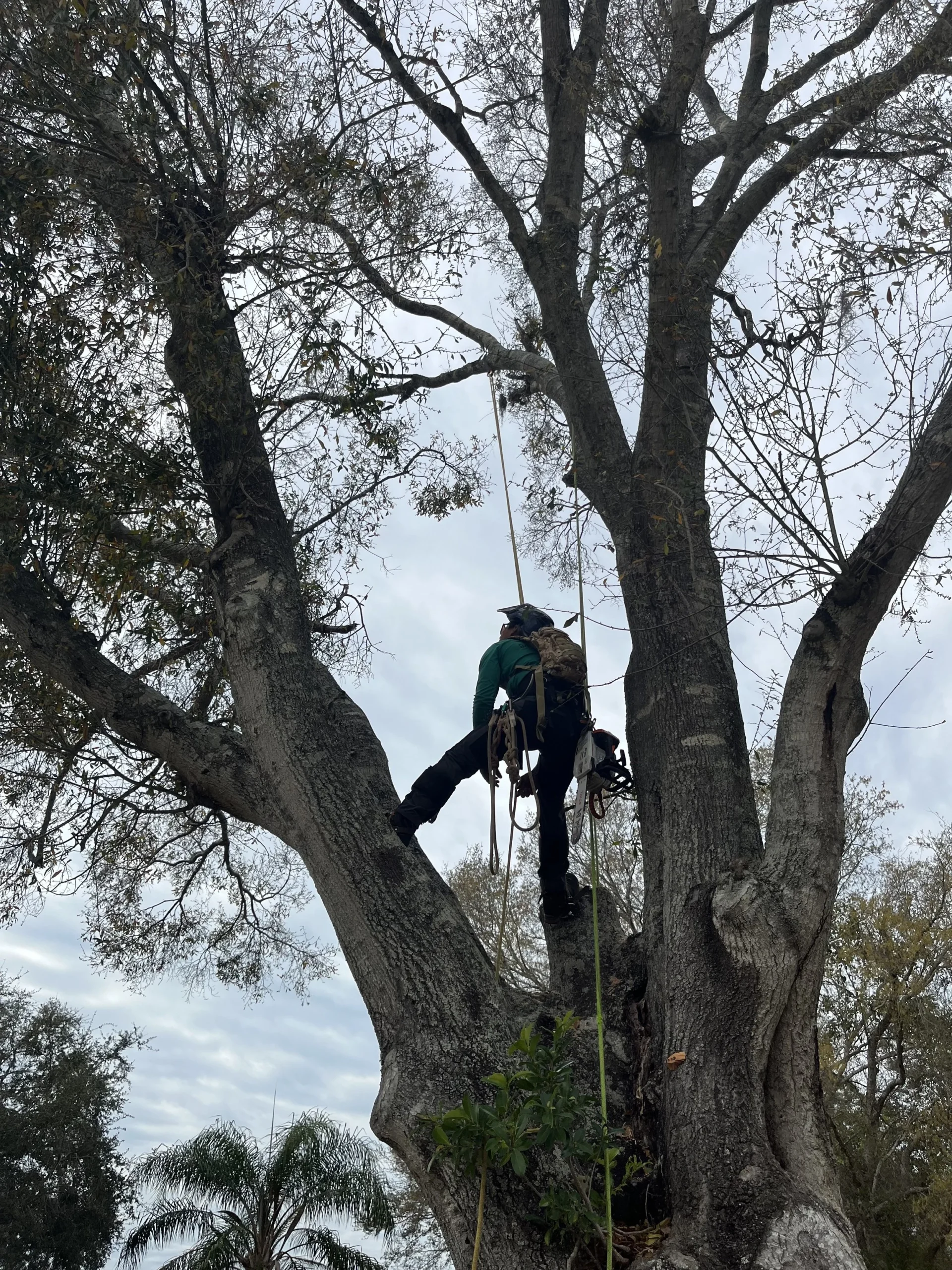
DIY inspection is appropriate for visual checks from the ground. Anything that requires climbing — or any tree within striking distance of a structure — should be evaluated by a licensed arborist. In Sarasota County, tree removal over 4 inches diameter at breast height may require a permit depending on your municipality. A reputable tree company handles that process for you.
Don’t wait until a named storm is forming in the Gulf. By that point, every tree crew in Sarasota is booked solid and prices rise sharply. Now — late May — is exactly the right time.
Ready to schedule? Call (941) 451-9730 or request a free estimate online. Yoder’s Tree and Land Services serves Sarasota, Bradenton, Venice, and Siesta Key — and every estimate is free.